01
the peg
There is no mint and no allowlist. Hold one whole $NULL and a face appears in your wallet; sell it and the newest face you hold is burned. The balance and the character are one object, and they can never drift apart.
Every $NULL in your wallet wears one. The faces are assembled out of a shared pool of hoods, kerchiefs and eyes that has a hard floor — and anyone willing to burn a null can pull a trait out of that pool permanently. Nothing is scarce here because we decided it would be. It gets scarce because people spend to make it so.
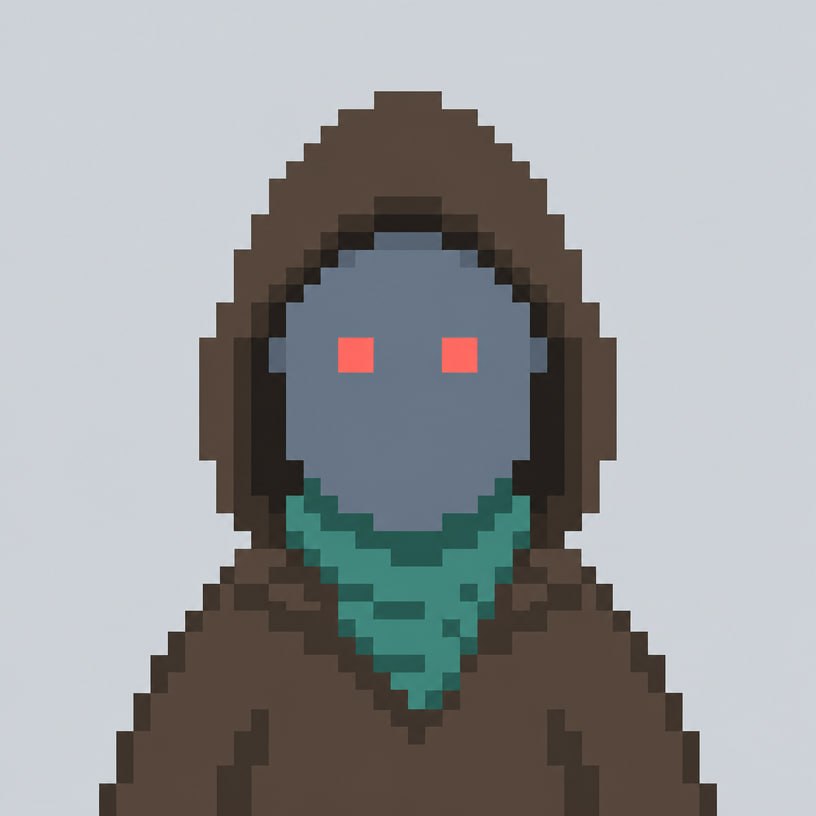
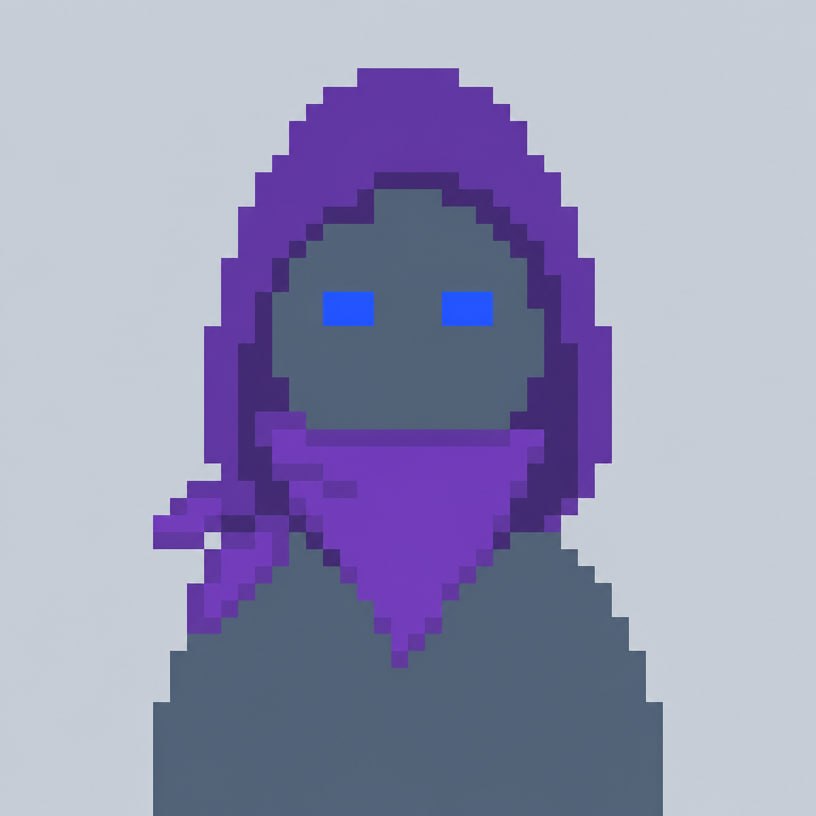
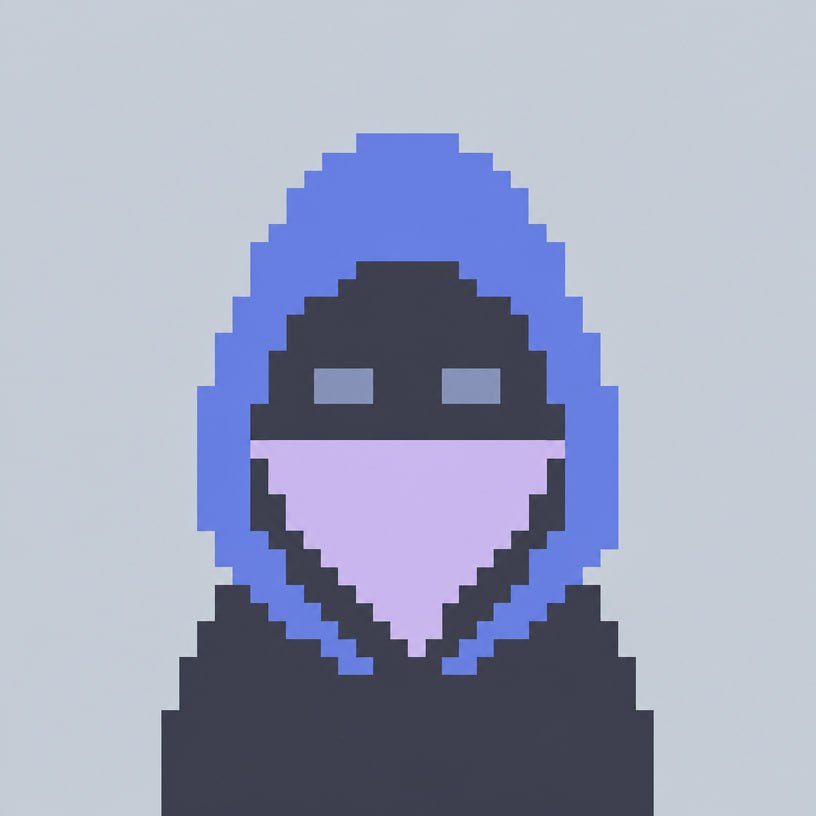
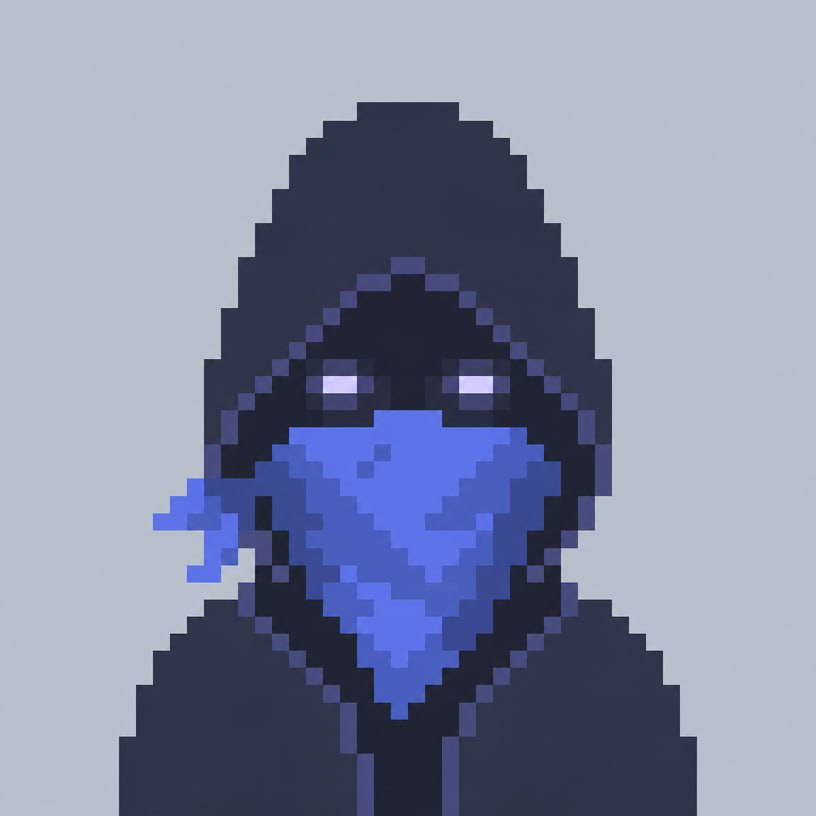
There is no mint and no allowlist. Hold one whole $NULL and a face appears in your wallet; sell it and the newest face you hold is burned. The balance and the character are one object, and they can never drift apart.
No face owns its traits — it borrows them. Every hood, every kerchief, every pair of eyes comes out of one pool with a fixed ceiling, and taking one means nobody else can have it until you put it back.
Burn a second null and you can weld a trait onto a face permanently. It stops circulating, the ceiling drops, and it is never coming back. The pool only ever gets smaller.